
7 Warning Signs Your Dryer Vent Needs Repair
By Top Westlake Village Dryer Vent Cleaning Editorial Team · 4 min read
If your dryer is taking longer to dry, producing an unusual smell, or you see lint at the exterior hood, those are clear dryer vent repair signs that something needs attention. Below you will find the seven most common warning signs, why each matters, and practical next steps you can take before calling for professional help.
TL;DR
- Slow drying, heat buildup, odd smells, and visible lint are reliable dryer vent repair signs.
- Minor lint removal can be DIY, but ripped or inaccessible ducts require professional repair.
- Costs depend on access, materials, and extent of damage; photos and details speed estimates.
- Taking quick safety steps, like stopping use if you smell burning, reduces fire risk.
Seven warning signs and what to do
These are the dryer vent repair signs that most often indicate a need for cleaning or repair. Use them to decide whether to inspect, clean, or call a pro.
- Longer drying cycles
Inspect lint trap and vent path; if the dryer still takes extra time after cleaning the trap, schedule a vent inspection. - Excessive lint around dryer or at exterior hood
Clear visible lint, then check the vent for more accumulation and consider professional cleaning. - Dryer or laundry room feels unusually hot
Stop using the dryer until the vent is checked to reduce fire risk; keep loads small and low-heat until cleared. - Burning or musty smell during drying
Turn the dryer off and inspect; smells often indicate trapped lint or a failing vent connection needing repair. - Ripped, crushed, or disconnected ductwork
Do not run the dryer; damaged ducts should be repaired or replaced to restore proper airflow. - Bird, rodent, or pest evidence at the exterior vent
Remove animal nesting and inspect the duct for damage; a repaired animal-proof hood may be required. - Loud rattling or air whistling from the vent
Check for loose clamps, crushed duct, or a failing vent hood; secure or replace parts as needed.
1. Your dryer takes much longer than usual
When drying time increases dramatically, poor airflow is often the cause. Lint builds up in the trap and the duct until the dryer must run longer to reach the same result. Start by cleaning the lint trap and running a test with a small load on high heat. If time is still much longer, the vent or ductwork likely needs cleaning or repair. Prolonged running increases energy use and stress on the appliance, which can shorten its life.
2. Heat or moisture in the laundry room
Your dryer should exhaust warm, moist air outside. If your laundry room gets unusually hot or humid while the dryer runs, airflow is restricted. That trapped heat is a fire hazard and can damage surrounding cabinets or paint. Immediate action: stop large loads and run smaller, lower-heat cycles until the vent has been inspected.
What affects repair cost
A few things determine whether a repair is minor or a larger job. These factors also help you decide when to call a technician.
Longer or hard-to-reach ducts increase labor time and may require more tools.
Flexible foil ducts can be easier to replace but may be more likely to be crushed; rigid metal ducts last longer and cost more.
Simple lint buildup is quick to clear; repair of holes, disconnected sections, or animal damage requires extra work.
A damaged hood or flap often needs replacement, especially if it no longer seals against pests or weather.
If you combine dryer vent work with [dryer vent cleaning](https://westlakevillagedryerventcleaningca.com/services/dryer-vent-cleaning/) or [AC vent cleaning](https://westlakevillagedryerventcleaningca.com/services/ac-vent-cleaning/), it changes scope and price.
3. Burning or musty odors
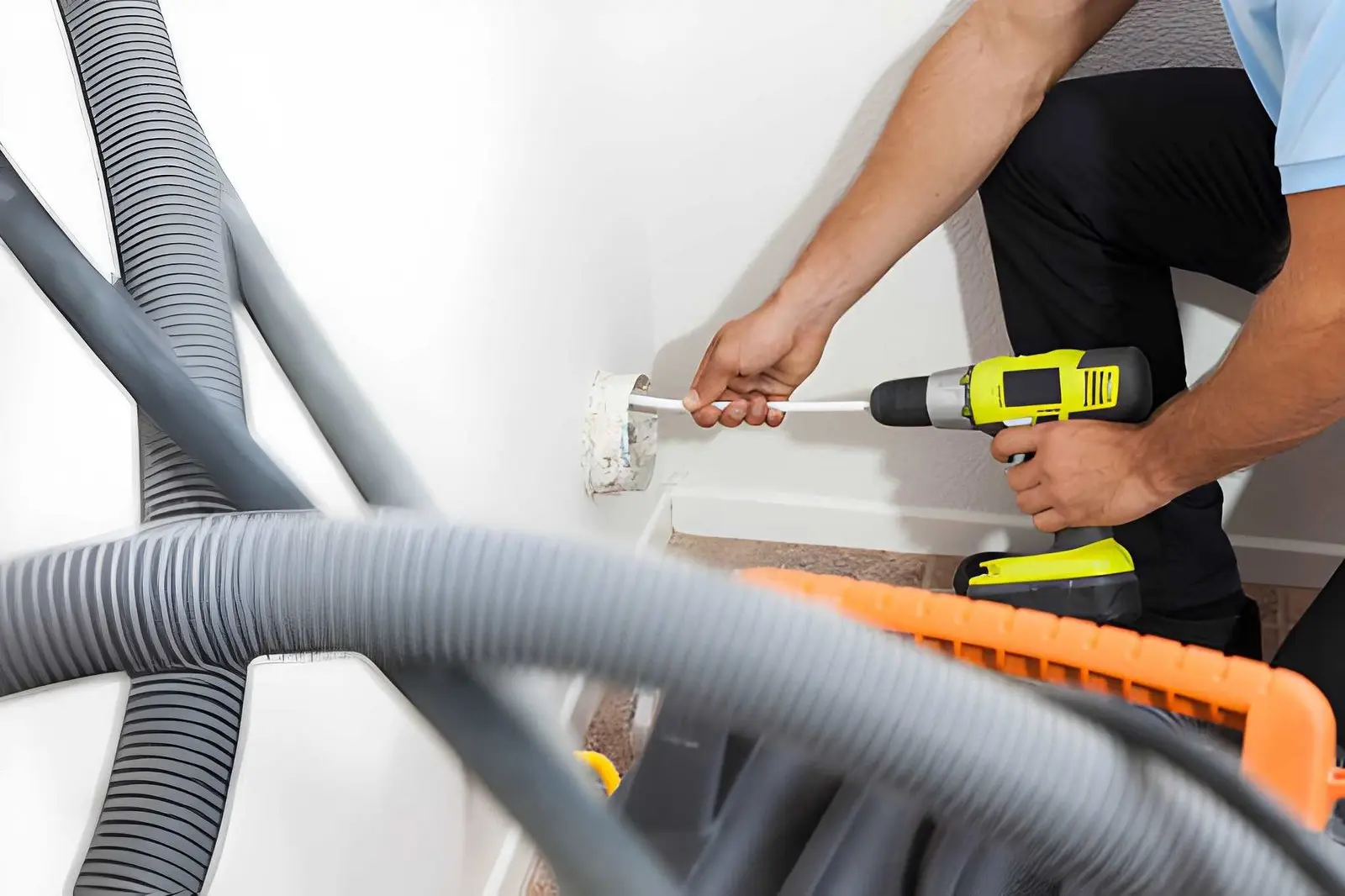
A burning smell can indicate lint contacting hot dryer components or an overheated motor. A musty smell suggests trapped damp lint or mold growth inside a clogged duct. Either smell is a warning sign: turn off the dryer and inspect the lint trap and visible duct. If the smell persists, a professional should check the internal vent path and dryer connections.
4. Visible lint around the dryer or outside vent
Seeing lint outside the dryer or accumulating beneath the exterior vent hood means the exhaust is not sealing or the duct is overloaded. Lint outside the vent also attracts pests and can block the flap that keeps weather and animals out. Clean visible lint, then check the vent path; if lint returns quickly, schedule a thorough vent cleaning and inspection.
What to check before you call a pro
Gather these details to make a service visit faster and more effective.
- Note the dryer brand and model and where the duct exits (wall or ceiling).
- Measure or estimate the visible duct length and note any turns.
- Take photos of the dryer, visible duct, and exterior vent hood if safe to access.
- List symptoms: longer cycles, smells, heat, visible lint, noise, or pests.
- Confirm whether the dryer is an electric or gas unit for safe on-site checks.
5. Damaged, crushed, or ripped ducts
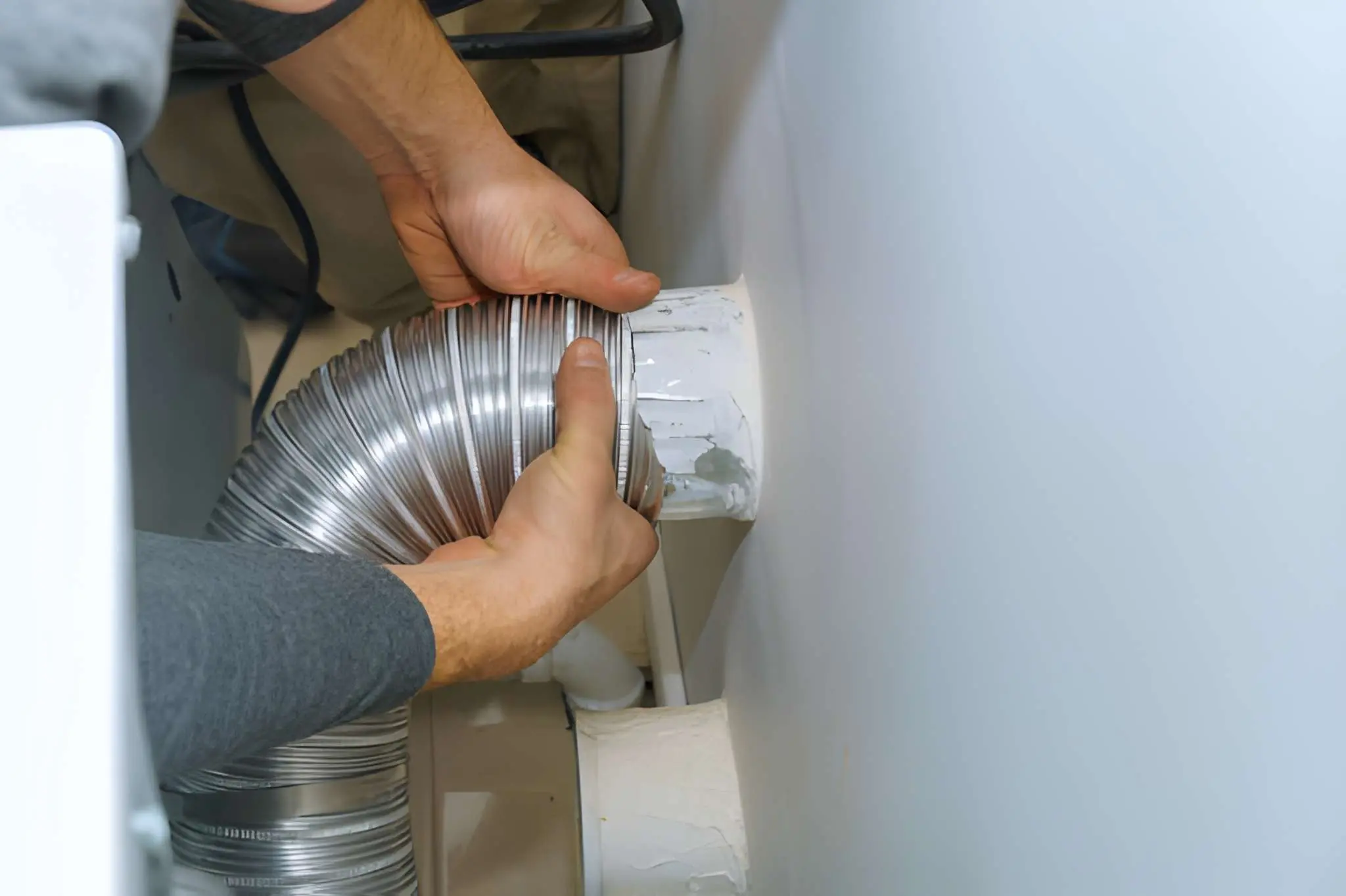
Physical damage to ductwork is an obvious repair sign. Ripped flexible duct or crushed sections cut airflow and let lint escape into your home. A ripped vent also creates an opening for pests and moisture. Avoid running the dryer with major damage. For safe, long-term results, replacement with the proper material and secure clamps is the recommended fix.
6. Pests or nesting at the exterior hood
Birds, rodents, and insects will use unsecured vent openings for nesting. Nesting material blocks airflow and increases fire risk. If you find signs of pests, carefully remove the nest if you can do so safely, then inspect the vent for holes or damaged flaps. A durable exterior hood that seals correctly will reduce repeat problems.
7. Noise from the duct or exterior hood
Rattling, whistling, or flapping sounds indicate loose connections, a cracked hood, or foreign objects in the duct. These noises also suggest the vent is not functioning efficiently. Tighten loose clamps, secure the hood, and replace failing components. If the noise continues, schedule a technician to avoid progressive damage.
When to DIY and when to call a professional
Simple tasks you can do yourself include cleaning the lint trap, removing visible lint at the exterior hood, and tightening a loose clamp you can safely reach. Do not attempt major duct replacement, repairs on gas dryer vents, or access to concealed ducts without professional help. If you encounter ripped ductwork, persistent smells, pest nests, or inaccessible ducts that require tools beyond a vacuum and brush, contact a technician for a full inspection and safe repair.
How professionals approach the problem
A qualified technician will inspect the entire vent path, remove compacted lint, check connections, and evaluate the exterior hood. They look for crushed sections, improper materials, and evidence of pests. If replacement is needed, they will recommend the appropriate duct type and route to restore safe, efficient airflow. For more on repair options, see our Dryer Vent Repair page.
Local note for Westlake Village homeowners
In Westlake Village, many homes have dryer ducts that run through tight attic or garage spaces. That can hide lint buildup until it causes clear symptoms. If your dryer vents through a shared wall or into an attic, prioritize inspection if you notice any of the warning signs listed above. For local jobs like installation or replacement, our Dryer Vent Installation page explains typical options; and for routine service, see Dryer Vent Cleaning.
Simple prevention steps
- Clean the lint trap every load.
- Check the exterior vent and clear visible lint monthly.
- Run occasional no-heat cycles to help move lint toward the exit.
- Keep the dryer area clear of flammable materials.
- Consider scheduled professional cleaning if you have a long duct run, shared vents, or persistent lint buildup.
Frequently asked questions
What happens if a dryer vent is ripped?
A ripped dryer vent lets lint and moist air escape into concealed spaces, which increases fire risk, attracts pests, and can cause mold or structural damage. It also reduces drying efficiency because exhaust cannot flow properly. Stop using the dryer for large loads and have the vent repaired or replaced; a trained technician can locate concealed damage and recommend the correct duct material and secure connections.
What’s the average cost to get a dryer vent cleaned?
Costs vary by duct length, access, and how clogged the vent is. Simple cleanings are less expensive; long runs, attic access, or combined services raise cost. For a specific estimate for your home, provide photos and duct details to the service provider so they can give a more accurate quote.
Should you put a screen on your dryer vent?
A screen can keep out pests but may trap lint and reduce airflow if it is too fine or not cleaned regularly. A better option is a vent hood with a spring-loaded flap or a coarse protective grille that prevents animals while allowing lint to exit. Regular inspection and cleaning are still necessary to maintain safe airflow.
What is the code for a dryer vent?
Building codes require dryer vents to be constructed of noncombustible materials, to terminate outside, and to avoid excessive lengths or sharp turns that reduce airflow. Specific code language and permitted materials vary by jurisdiction. For code-compliant installations or repairs, hire a qualified technician familiar with local requirements and inspections.
Ready to get started? Contact Top Westlake Village Dryer Vent Cleaning today.